Understanding Car Diagnostics in Glasgow’s Stop‑Start Traffic
Beat Glasgow’s Stop-Start Strain Before It Breaks Your Car
Car diagnostics in Glasgow matter more than many drivers realise. Daily queues, endless traffic lights and short trips can slowly wear your car out, even when it seems to be running fine. Problems often build up quietly in the background until they show up as a warning light or a sudden breakdown.
Think about Clydeside Expressway at rush hour, crawling along the quayside, or the steady stop-start flow through Govan, past schools, shops and speed bumps. That kind of driving is hard work for modern engines, batteries and brakes. Diagnostics give us a way to see what is going on inside the car long before things fail.
At our Govan workshop, we see the same patterns again and again. City driving hides faults that only show for a second, then clear. With the right diagnostic checks, we can spot those early and help keep your commute smoother and more reliable.
How Stop-Start City Driving Damages Modern Cars
Stop-start traffic does not just test your patience, it also tests your car’s parts every single day.
Clutches, dual-mass flywheels and gearboxes suffer when you are constantly:
Slipping the clutch to creep forward
Changing between first, second and neutral
Holding the car on the clutch instead of the handbrake
Shuffling between drive and park in an automatic
All of that creates extra heat and wear. Over time, you might feel judder when you pull away, hear odd noises when you change gear, or notice that the clutch bites very high.
Batteries and alternators also work harder in city driving. With stop-start systems, the engine can cut out and restart many times on a single trip, while you still use:
Headlights and wipers in bad weather
Air conditioning in slow summer traffic
Infotainment, sat-nav and phone charging
If you mostly do short trips around Govan, to local schools or retail parks, the battery often does not get a long enough run to recharge fully. That can lead to slow starts, especially on wet or cold mornings.
Exhaust systems struggle too. Diesel particulate filters and catalytic converters like heat and steady speed. When a car rarely reaches full operating temperature, soot and moisture build up. This can cause:
DPF warning lights
Poor fuel economy
Strong exhaust smells
Loss of power on hills
These issues are very common for drivers whose car spends its life in slow city traffic with only the odd faster run.
What Modern Car Diagnostics Really Check Under the Bonnet
When people hear “car diagnostics in Glasgow”, they often think it is just plugging in a machine and reading a fault code. In reality, it is much more like a health check for all the main systems.
Modern cars have an ECU, the onboard computer that talks to many sensors and control units. A diagnostic tool connects to that network and lets us see:
Stored and pending fault codes
Live data, like sensor readings and temperatures
How systems behave under load or at idle
We can look at engine management to see how fuel, air and ignition are working. We can check emissions control, including DPF performance and lambda sensors. We can also access ABS and traction control, airbag systems, and battery and charging data.
Stop-start driving often creates intermittent problems, for example:
Misfires that only appear when the engine is hot in a queue
Sensors that give a wrong reading now and then
EGR valves that stick at low speeds
These faults might not trigger a full warning light straight away. By looking at patterns in the data, we can pick up early changes, not just simple yes or no failures. That helps us find the true cause instead of just clearing codes and hoping for the best.
Warning Signs Glasgow Drivers Should Never Ignore
City drivers learn to live with little quirks from their cars, but some are worth getting checked quickly.
Common early signs include:
Rough or lumpy idle when you sit in traffic
Hesitation or flat spots when pulling out at junctions
Slow or laboured starting on damp mornings
Stop-start system cutting out or not working at all
Dashboard warnings should never be ignored, even if the car still feels OK. Lights linked to stop-start stress often include:
Engine management or emissions lights
ABS or traction control warnings
DPF or particulate filter symbols
Battery or charging warnings
Smells and noises are also important clues. A burning smell in traffic, a sharp fuel smell, or exhaust fumes inside the cabin all deserve attention. Squealing brakes at low speed, whining from the front of the car, or clutch judder when creeping along can point to problems that diagnostics can help pin down.
Leaving these signs until the MOT is due can lead to avoidable failures, roadside breakdowns on busy city routes, and repairs that are more involved than they needed to be.
Seasonal Stress: Summer Heat, Winter Cold and Your Car
Glasgow driving is not only about traffic, it is also about weather. Late summer often means more use of air conditioning in slow traffic and extra trips for holidays and events. Heat puts more strain on coolant systems and batteries, especially if you are sitting still on hot days with fans and AC on full.
A diagnostic check before autumn sets in can help you get ready for colder months. It can highlight:
Weak batteries that might struggle with winter starts
Sensors that are already slow or giving odd readings
Charging issues that worsen with heater and light use
Glasgow’s damp, salty winter conditions are not kind to cars. Moisture can creep into electrical connectors, ABS sensors and exhaust parts. Small faults can turn into bigger issues once the roads are wet and treated. Checking things like antifreeze strength, oil condition, DPF health and battery status alongside diagnostics gives a more complete picture of readiness for the colder season.
Timing these checks with regular servicing keeps you ahead of the weather instead of reacting to it when it is already causing problems.
How Langlands Road Garage Finds Faults Before They Fail
At Langlands Road Garage in Govan, our approach to car diagnostics in Glasgow mixes technology with hands-on experience. Plugging in the tester is only one part of the process.
A typical diagnostic visit usually includes:
A chat about the symptoms and your driving pattern
A system scan to read stored and pending fault codes
Live data checks while the engine runs and during a road test
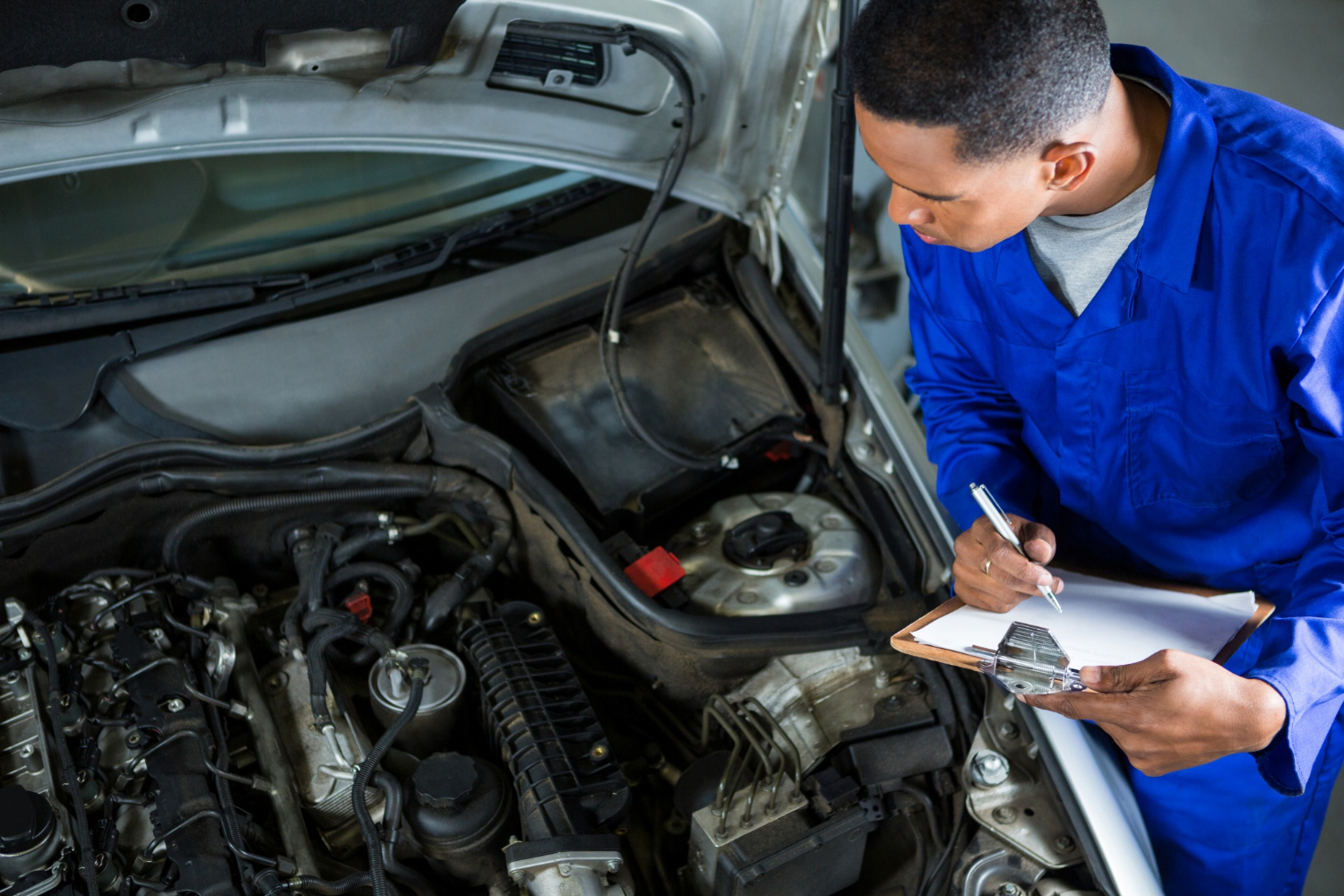
Visual inspections under the bonnet and under the car
We look at what the car is telling us and match it to how it is used. A car that mostly does short school runs around Govan can show different patterns to one that regularly goes over the Kingston Bridge and out on longer motorway trips.
Once we have the full picture, we explain what we have found in clear, simple terms and talk through the options. Often, we can sort smaller issues alongside other work like MOTs, servicing, tyres, brakes or clutch repairs. That way, drivers save time and reduce the risk of sudden, stressful breakdowns in the middle of Glasgow traffic.
Book Expert Diagnostics For Your Car Today
If a warning light has appeared on your dashboard or something just does not feel right, we can pinpoint the issue quickly and accurately with our specialist car diagnostics in Glasgow. At Langlands Road Garage we use up-to-date equipment and our experience to identify faults before they become costly repairs. To arrange an appointment or discuss a concern with your vehicle, simply contact us and we will be happy to help.