
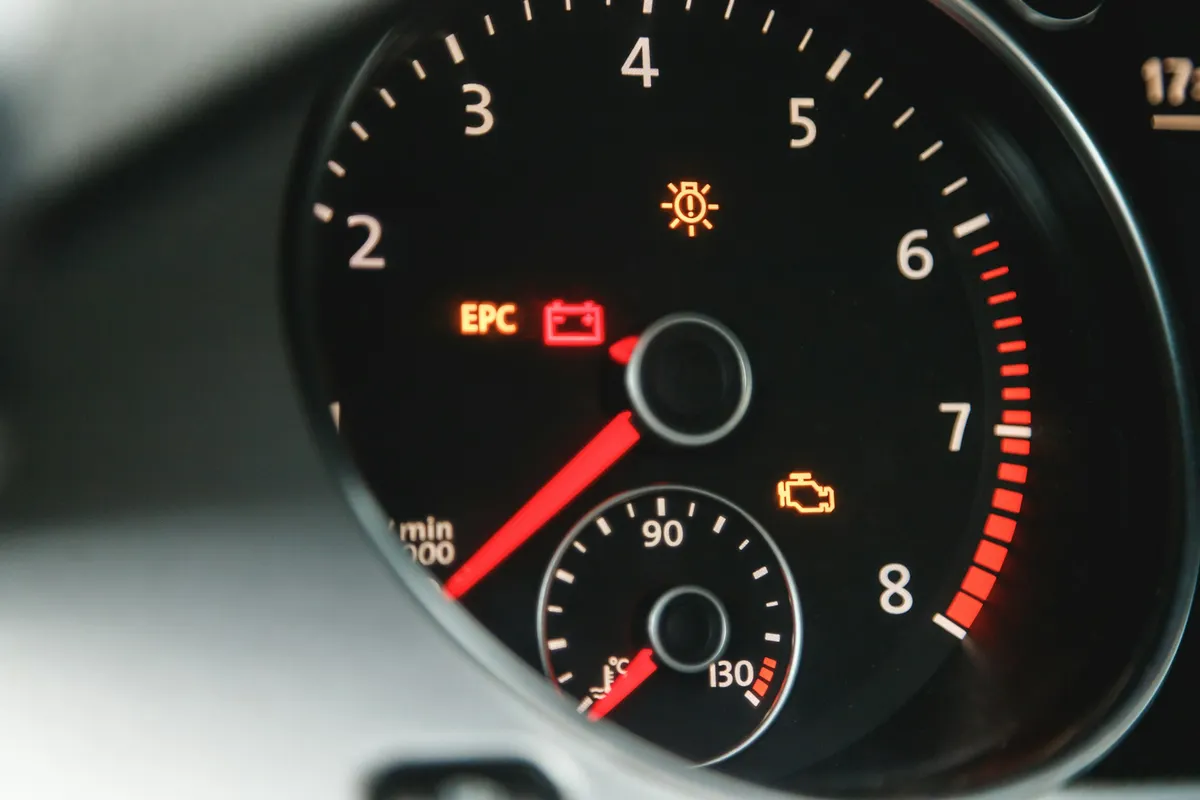
Glasgow Engine Warning Lights: Check Engine vs. EPC vs. Glow Plug vs. Oil
When a Warning Light Flashes in Glasgow Traffic
A warning light that pops on in heavy traffic can make your heart sink. One moment you are rolling towards the Clyde Tunnel or edging along the M8, the next your dashboard lights up in orange or red and you are wondering if you should pull over or keep going. Those few seconds can feel very long when you do not know what the light means.
Different warning lights carry very different levels of risk. Some are your car asking for a check-soon, others are telling you to stop right now before serious damage happens. Knowing which is which helps you stay calm and make smart choices, especially on wet autumn roads when stopping suddenly can be tricky and dangerous.
We will run through the main engine-related warnings many drivers see: check engine, EPC, glow plug and oil pressure. You will learn what each one usually means, what to do in the first minute, and when it is safer to stop and ask for help. Understanding these basics, and getting quick engine diagnostics in Glasgow when you need them, can save your engine, your time, and your nerves.
Know Your Engine Lights Before They Catch You Out
Modern cars rely on sensors and computers to look after the engine, emissions and safety systems. When something is not right, the dashboard lights come on to warn you. Guessing what a light means, or hoping it goes away, can be risky, especially when roads are wet, days are darker and breakdowns feel more exposed.
There are four common engine-related lights many drivers in Glasgow see:
Check engine: usually an amber outline of an engine
EPC: letters EPC, often on Volkswagen, Audi, SEAT and Škoda models
Glow plug: a curly coil symbol on diesel cars
Oil pressure: a red oil can icon, sometimes with a drip
A simple rule helps. Amber usually means caution, get it checked soon. Red usually means stop as safely and quickly as you can. The colours are designed to give you a feel for urgency at a glance, even if you are not sure of the exact fault.
Regular servicing, fresh oil and timely engine diagnostics in Glasgow go a long way to keeping these lights off. If they do appear, a prompt check often catches small faults before they become breakdowns, tow trucks or expensive repair jobs.
Check Engine and EPC Lights, Serious, but Not Always Urgent
The amber check engine light is one of the most common warnings. It can show for many reasons, including:
Faulty sensors, such as oxygen or airflow sensors
Misfires in one or more cylinders
Emissions problems or exhaust faults
A loose or damaged fuel cap
Issues after long motorway trips or heavy summer use
The EPC light, seen on many German cars, stands for Electronic Power Control. It points to a problem in the electronic throttle system or related controls. It can also link to traction control and stability systems. Often, the car may go into a reduced power or limp mode to protect itself.
If a check engine or EPC light comes on, take a breath and do this:
Notice how the car feels: any loss of power, rough running, odd noises or smells
Ease off the throttle, keep revs lower and avoid hard acceleration
Avoid towing, heavy loads or steep hill climbs if you can
If the light is steady (not flashing) and the car feels normal, it is usually safe to drive gently home or to a nearby garage. You should still arrange a diagnostic check as soon as possible, as the stored fault codes will tell a trained technician where to look.
There are times when you should treat these amber lights as urgent. If the check engine light is flashing, if you smell strong fuel, see smoke from the exhaust, or feel severe power loss, pull over as soon as it is safe. Carrying on can damage the catalytic converter or the engine itself. At that point it is safer to stop, switch off and get advice rather than risk a bigger failure.
Glow Plug and Diesel Warnings as the Weather Turns Cold
On diesel cars, the glow plug light is part of normal starting. When you switch on the ignition, the curly coil symbol lights up while the glow plugs warm the cylinders. Once it goes out, you start the engine. On colder mornings, it may stay on a little longer while things heat up.
There are a few different glow plug behaviours to watch for:
Light comes on briefly before starting, then goes out: normal
Light flashes while driving: there is usually a fault stored
Light stays on while driving: something in the diesel or emissions system needs checking
Common causes include worn glow plugs, faults in the glow plug control unit, temperature or pressure sensor problems and diesel system issues that affect cold starting or emissions. As the temperature drops from autumn into winter, weak glow plugs can show up as harder starting, smoky exhaust or this warning light.
If the light works normally during starting, just wait for it to go out before cranking the engine, especially on cold days. If it flashes or stays on while driving, slow down, avoid long fast motorway runs if you can, and arrange a diagnostic check soon. Ignoring it can lead to poor running, higher emissions and, in some cases, limp mode.
On many modern diesels, you may also see a diesel particulate filter (DPF) or filter-related warning at the same time. This can mean the filter is getting blocked with soot. Leaving that can lead to costly repairs, so it is best to have it checked before it reaches that stage.
Oil Pressure Light, the One You Must Never Ignore
The red oil can symbol is one of the most serious warnings your car can show. It tells you there is low oil pressure inside the engine. That means the moving parts may not be getting the lubrication they need, and metal can quickly start to grind on metal.
Possible causes include:
Very low oil level
A failed oil pump
A blocked oil pickup in the sump
Serious internal engine wear
Sudden or long-term oil leaks
If a red oil pressure light comes on while you are driving, do not hope it clears. Take these steps:
Safely pull over as soon as you can, away from fast traffic if possible
Switch the engine off straight away, do not let it idle
Once the engine has cooled and the car is parked safely on level ground, check the oil level with the dipstick
If the oil is very low and you have the correct grade, you may be able to top up. However, if the light stayed on solid for more than a brief flicker, it is usually not wise to restart until a professional has inspected the car. Running an engine with low oil pressure, even for a short drive home, can lead to bearing damage and in some cases a full engine replacement.
In most cases, it is safer to call for recovery and have the car taken to a trusted local garage for checks before anyone turns the key again. That might feel like a hassle in the moment, but it is far better than losing an engine.
Your Next Steps When a Light Stays On
When a warning light does not go out, it helps to keep a simple plan in mind:
Red oil pressure light: stop as soon as it is safe, switch off and arrange recovery
Flashing check engine or very rough running, smoke or strong fuel smells: pull over, switch off and seek help
Steady amber check engine, EPC or glow plug light with the car driving normally: slow down, avoid hard use and book engine diagnostics as soon as you can
It is tempting to ignore a small amber light when life is busy, but small faults rarely fix themselves. As roads get wetter and evenings draw in, breaking down at the roadside becomes more stressful and more dangerous. A careful check while the car still runs can prevent that.
When those lights do appear, clear information and proper diagnostics make all the difference. At Langlands Road Garage in Govan, we use diagnostic equipment to read fault codes, check live data and trace the real cause of warning lights. That lets us give honest advice about whether it is safe to drive, what needs fixing now and what can be monitored, along with repairs, servicing, oil changes and pre-winter health checks to keep local drivers on the road with confidence.
Keep Your Car Running Smoothly With Expert Diagnostics
If a warning light has appeared on your dashboard or your car simply does not feel quite right, we can help pinpoint the issue quickly and accurately. At Langlands Road Garage, our experienced technicians use advanced equipment to deliver thorough engine diagnostics in Glasgow so problems are identified before they become costly repairs. Book your visit online today or contact us to speak to our team about what your vehicle needs.