
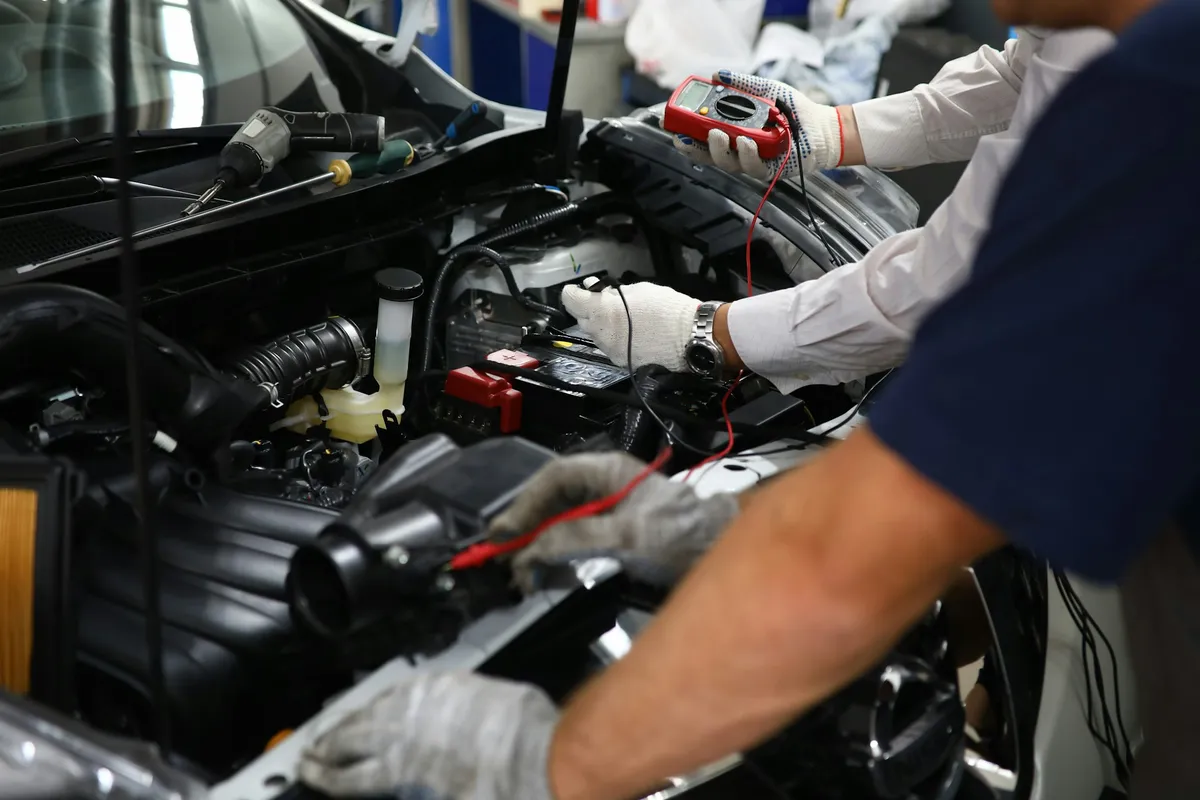
Glasgow Engine Diagnostics Checklist: What to Log Before a Diagnostic Scan
Get Better Results From Your Next Engine Diagnostic
Turning up for engine diagnostics in Glasgow with clear notes can make a big difference. When a technician can see what the car was doing right before a fault, they can home in on the cause faster and with less guessing. That means fewer return visits and a better chance of fixing the problem first time.
A simple driving log over a few days is often enough. You do not need special tools, just a notebook or your phone. By tracking things like engine speed, temperature, fuel level and road conditions, you give the garage a head start. In this guide, we will walk through a practical checklist you can follow before booking a diagnostic scan at a local garage.
Why Good Pre-Diagnostic Notes Matter
An engine diagnostic scan is a great tool, but it is not magic. The scan pulls fault codes from your car’s control units. These codes point in a direction, but they do not always say exactly which part to change or what happened on the road.
That is where your notes come in. Many faults only appear under certain conditions, for example:
On a cold morning after the car has sat overnight
In slow, stop-start city traffic
On a long steady run on the motorway
When the weather is wet, damp or frosty
If the technician knows the problem only shows up in one of these situations, they can try to copy those conditions on a road test or on the ramp. That helps separate:
Intermittent electrical glitches from hard electrical failures
Sensor reading problems from wiring or connector issues
Mechanical problems from fuelling or ignition issues
Without that context, the garage might clear the codes, road test the car in different conditions and find no fault. That can lead to parts being changed just to see what happens. With good notes, there is a clearer path to the real cause.
What to Log About RPM and Speed
Engine speed and road speed make a big difference to how a fault behaves. You do not need the exact numbers on the rev counter or speedo, just a good idea of what the car was doing.
Try to capture:
Whether the engine was idling, just pulling away, cruising, or working hard
Rough road speed, like 30 mph, 50 mph, or 70 mph
Gear, if you know it, especially in a manual car
Useful examples might be:
“Juddering at about 30 mph in third gear, gentle acceleration”
“Engine warning light came on at about 70 mph on the M8, holding steady throttle”
“Rough idle when stopped at lights, then smooth again once moving”
When you make a note, keep it short, such as:
Time and date
Rough speed and driving situation
What you felt, heard or saw
For instance: “Tue, 8:20 am, city traffic, stopped at lights, engine shaking, revs hunting up and down.” These little details give the technician clues about whether they should be looking at misfires, fuelling, turbo boost, gearbox issues or something else.
Monitoring Temperatures and Fuel Level Before a Scan
Temperature has a big effect on how an engine runs. Some faults only appear from cold, others only once the engine is fully warm.
Try to note:
First start of the day from cold
After about 10 to 15 minutes of driving
Only after a longer run such as a commute or trip out of town
Write down things like “only struggles on first start, then fine all day” or “fine when cold, but starts misfiring once warm in traffic.” In cooler Glasgow weather, this kind of detail is very helpful.
Fuel level can also be a clue. Pay attention to whether the problem appears:
When the tank is close to empty
Around half full
Just after filling up
If an issue shows mainly on a low tank, that can hint at fuel pump strain or pickup issues. If it appears right after filling up, that might point towards fuel quality, venting or tank-related concerns.
It is useful to watch your coolant temperature gauge too:
Does it reach its normal position and stay there?
Does it climb higher than usual on hills or in traffic?
Does it stay very low even after a decent run?
If you notice warning lights, temperature messages, or the cooling fan running more than usual, add that to your log. A quick photo of the dash when it is safe can be very helpful.
Recording Driving Conditions and Dash Warnings
Glasgow weather and roads can change quickly, and that can influence faults. Moisture, cold and rough surfaces all affect electrical systems and traction.
Note what the conditions were when the fault appeared:
Dry, damp, heavy rain, or standing water
Frosty or very cold
Strong wind or normal conditions
Also record the type of driving you were doing:
Short city trips with lots of stopping and starting
Longer motorway runs at steady speeds
Hilly routes with frequent gear changes
Towing or carrying a heavy load
This helps the garage try to copy the same kind of run during testing. An issue that only shows on a short stop-start commute, for example, needs a different test to something that appears on a long, steady motorway journey.
Dashboard warning lights are another key part of the picture. Try to capture:
Which light came on, such as engine, ABS, traction, temperature or battery
Whether the light flashed or stayed solid
Any message on the display
If it is safe to do so, snap a quick photo of the cluster. A photo means the technician sees exactly what you saw, without guessing based on memory.
When to Call the Garage and Share Your Log
There are times when you should not keep driving just to gather more data. Stop logging and get professional advice if you notice:
Strong burning smells from the engine or brakes
Loud knocking, banging or grinding noises
Oil pressure or temperature warnings
Severe loss of power, hesitation that feels unsafe, or the engine cutting out
In those cases, it is better to speak to a garage straight away and follow their guidance rather than pushing on with more tests yourself.
When the issue is less urgent and you have a few days of notes, bring them with you when you book engine diagnostics in Glasgow. Keep everything in one place, such as:
A simple list in a notebook
Notes on your phone with dates and times
A small set of photos of the dash or any visible symptoms
When you speak to the technician, highlight the strongest example of the fault, like “the worst it has been was on Tuesday morning in heavy rain at about 50 mph.” Your log, combined with the diagnostic scan, gives the garage a clear picture of what is going on so they can work through the problem methodically and help keep your car reliable on Glasgow’s roads. Langlands Road Garage uses this kind of information every day to track down faults more quickly and get local drivers safely back on the road.
Keep Your Engine Running Smoothly With Expert Diagnostics
If you have noticed a warning light or a change in how your car drives, we can quickly pinpoint the cause with our specialist engine diagnostics in Glasgow. At Langlands Road Garage, we use up-to-date tools to identify faults accurately and help prevent more serious problems. Speak to our team today to arrange an appointment or to ask any questions, or simply contact us to get started.