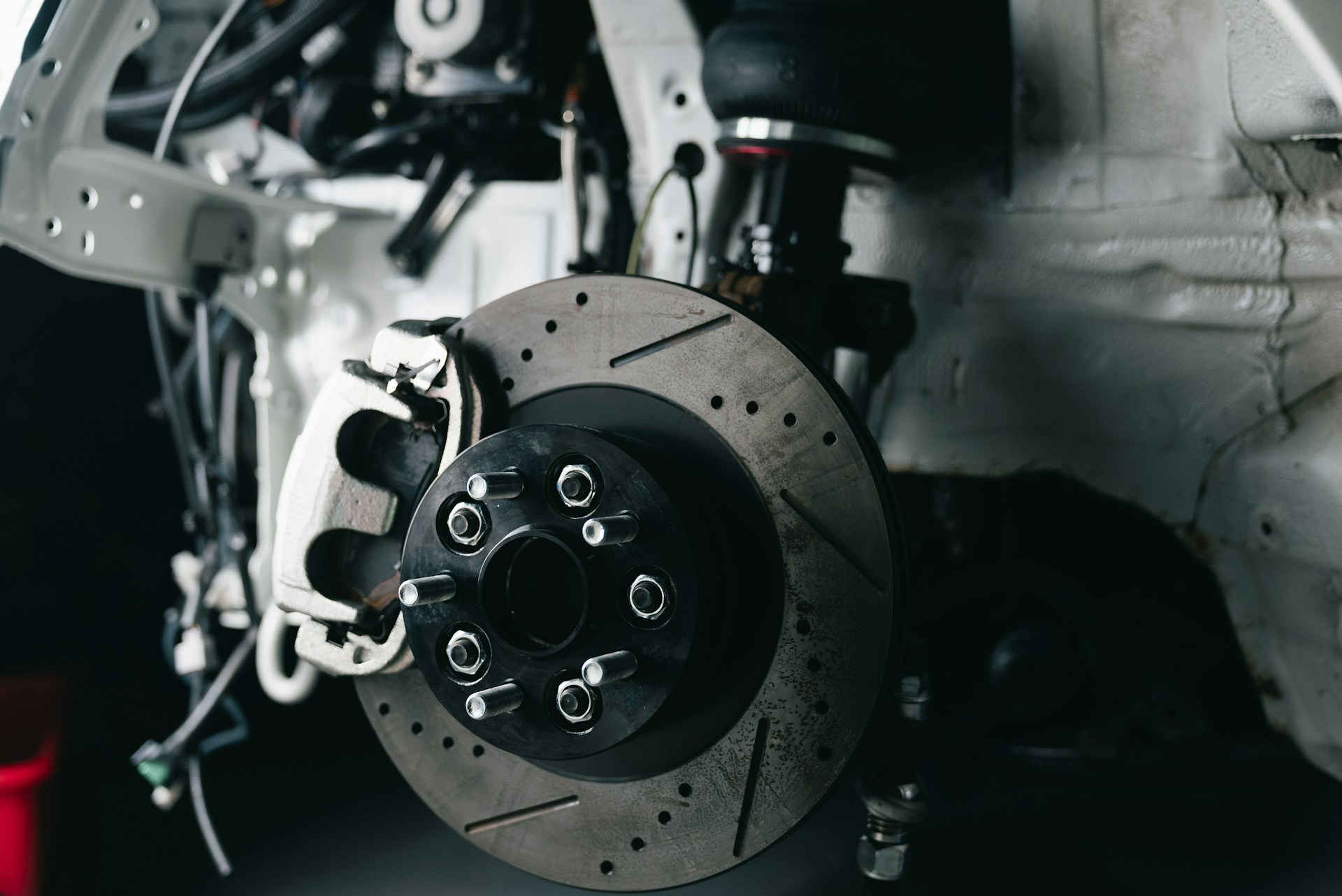
Recognising Hidden Brake Wear From Stop‑Start Glasgow Traffic
Driving around Glasgow often means crawling over the Clyde, inching along the Clydeside Expressway, or creeping through queues by the city centre. All that stop, go, stop, go puts a lot of quiet stress on your brakes. Problems can build up slowly, so your brakes can be struggling long before you hear any loud squealing or grinding.
In this guide, we will explain how stop-start traffic can wear your brakes, the subtle signs something is not right, a few simple checks you can do at home, and when it is time to book professional vehicle brake repair in Glasgow. Our aim is to help you keep your car safe, steady, and ready for anything the road throws at you.
Stop-Start Traffic Could Be Silently Wearing Out Your Brakes
Daily driving around Glasgow is tough on any car. Short hops between junctions, endless traffic lights, busy school-run runs, queues over bridges and long waits at roadworks all mean you are on the brake pedal far more than you think.
Frequent light braking at low speeds can create hidden wear, such as:
Glazed brake pads that look fine but grip poorly
Heat build-up in discs that weakens stopping power
Uneven wear that does not always make obvious noises
You might not hear the classic squeal, but your stopping distance can slowly increase. That extra couple of car lengths matters a lot in heavy rain, during a sudden stop on the motorway, or when someone cuts across in front of you after you leave city traffic and speed up.
Here in Govan we see a lot of cars that feel “okay” to the driver but show clear signs of brake stress when inspected on the ramp. A careful check by an experienced technician can catch those issues early and keep your car safer.
How Glasgow’s Stop-Start Driving Eats Through Brakes
Stop-start city driving wears brakes differently from long steady runs. In and around the south-side of Glasgow, many trips are short and full of queues. The brakes get used often, but they rarely get a decent chance to cool.
Here is what happens over time:
Repeated gentle braking in queues can glaze the pads, making the surface smooth and shiny, which reduces friction
Heat builds up in the discs and pads and can make them fade, even if there is still material left
Road grit, water and general city grime can get trapped and cause uneven wear
Summer city driving adds more strain. Warm road surfaces, heavy cabin loads from passengers and luggage, and frequent use of air-con all add extra weight and drag. Holiday traffic around retail parks and motorway junctions usually means even more stop-start use, which keeps brakes hot for longer.
Modern features like automatic stop-start and hill hold assist can also hide brake wear. The car still feels controlled on hills or at junctions, so drivers often assume the brakes are fine. In reality, the system may be working harder in the background while components slowly degrade.
Short urban journeys common across Glasgow’s south-side mean the brakes get hot and stay warm. Compared with a smooth drive out of town, this pattern can speed up wear on discs and pads.
Subtle Warning Signs Your Brakes Are Struggling
Brake problems are not always loud or dramatic. Often the early clues are easy to ignore, especially in heavy traffic when you are focused on everything else going on around you.
Watch and feel for signs like:
The car takes a bit longer to stop than it used to
You need to press the pedal harder for the same response
The car pulls very slightly to one side when braking
Other subtle symptoms include faint squeaks at low speed, a soft or spongy feel from the pedal in queues, or a light vibration through the steering wheel or pedal when slowing from higher speed. These can point to uneven pad wear, disc issues, or early hydraulic problems.
You might also see brake warning lights, ABS lights, or stability control lights that flash on now and then, especially in hot weather or after a spell of heavy braking. Even if they go off again, they can be signs of overheating or uneven wear in the system.
It is better not to wait for grinding noises or a pedal that goes to the floor. Hidden issues are usually simpler to fix, and catching them early can help protect the rest of the braking system from further damage.
Simple DIY Checks Before Your Next Summer Road Trip
While a full brake check needs workshop tools, there are a few simple things you can safely look and listen for at home before a longer drive.
Try these basic checks:
Look through the wheel spokes to see if the pads look very thin
Check discs for obvious deep grooves, heavy rust on the braking surface, or very patchy colour
Look for fluid leaks around each wheel area or under the car after it has been parked
On a quiet street, at low speed, you can gently test the brakes with the windows down. Listen for scraping, rattling or repeated squeaks. Pay attention to any pulling to one side or a pulsing feel through the pedal.
It is also worth listening closely after a spell of heavy city traffic or a firm stop from motorway speed. When everything is hot, problems like sticking calipers, warped discs or glazed pads often show up more clearly.
However, DIY checks have clear limits. You cannot see the condition of brake fluid, the inside of flexible hoses, or measure pad and disc thickness accurately without the right kit. A ramp, proper lighting and trained eyes make a big difference.
When to Book Professional Brake Checks in Glasgow
With the way Glasgow traffic is, regular professional checks are a smart habit. Good times to book include:
Before an MOT is due
Before any long summer drive or holiday trip
After weeks of heavy city commuting or frequent runs through rush hour
Any time you notice new noises, lights on the dash, or changes in pedal feel
At a trusted workshop, technicians will usually look at pad thickness, disc condition, caliper operation, brake fluid level and quality, hoses and pipes, and the handbrake or parking brake. This gives a fuller picture than you can get on the driveway.
Professional vehicle brake repair in Glasgow can often prevent MOT failures and stop minor issues turning into bigger problems, such as ruined discs from worn-out pads or seized calipers from old, dirty fluid. Local knowledge helps too. Roads around Govan, the city centre and nearby areas have plenty of potholes, speed bumps and steep stop-start routes that all add extra stress to your braking system.
Keeping on top of these checks means your car is better prepared for wet days on the motorway, tight streets in town, and anything in between.
Restore Confident Stopping Power For Every Journey
If your brakes feel different, make noises or simply have not been checked in a while, now is the time to act before a small issue becomes something more serious. At Langlands Road Garage, we provide thorough inspections and expert vehicle brake repair in Glasgow to keep you safe on the road. To arrange a convenient booking or ask a question about your braking system, just contact us and we will talk you through the next steps.
